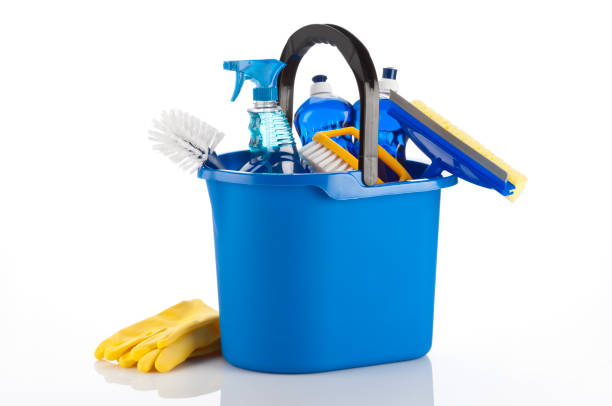
You probably clean your home regularly, but have you ever stopped to think about the tools you’re using? That mop that’s been hanging in the corner for six months, the sponge that’s “still fine,” or the microfiber cloth that’s seen better days—these tools could actually be doing more harm than good. At Cleaner Homes, your Eugene-based house cleaning service, we know that clean tools make a huge difference in keeping your home hygienic. Using worn-out or dirty cleaning tools can spread bacteria, allergens, and grime instead of removing them.
Let’s break down how often you should change the most common cleaning tools, why it matters, and tips to keep them effective.
Sponges and Scrubbing Pads
- Why it matters: Sponges are bacteria magnets. They stay damp and warm, perfect for microbial growth. Studies have found that a single damp sponge can harbor up to 10 million bacteria per square inch.
- How often to replace: Replace kitchen sponges at least every 1–2 weeks. For heavy use, consider replacing them weekly.
- Tips:
- Sanitize in the microwave for 1–2 minutes when damp (watch for metal or foil).
- Run through the dishwasher daily for additional sanitization.
- Keep separate sponges for dishes, counters, and sinks to prevent cross-contamination.
Microfiber Cloths and Cleaning Rags
- Why it matters: Microfiber traps dust, dirt, and bacteria, which is great—but if you don’t clean it, it becomes a bacterial delivery system.
- How often to replace: Replace microfiber cloths every 2–6 months depending on use and washing frequency.
- Tips:
- Wash microfiber separately in hot water to kill germs.
- Avoid fabric softeners—they reduce the cloth’s effectiveness.
- Label cloths for specific tasks (bathroom vs kitchen) to prevent cross-contamination.
Mops and Mop Heads
- Why it matters: Mop heads absorb dirt and water, creating an environment where bacteria and mold can thrive.
- How often to replace: Replace mop heads every 2–3 months for regular use. For heavy use in kitchens or bathrooms, consider monthly replacement.
- Tips:
- Rinse and wring out mop heads thoroughly after each use.
- Wash in hot water weekly if reusable.
- Hang to dry completely to prevent mold growth.
Brooms and Brushes
- Why it matters: Dirt and hair accumulate in bristles over time, spreading debris instead of removing it.
- How often to replace: Replace heavily used brooms every 1–2 years; smaller detail brushes may need replacement every 6–12 months.
- Tips:
- Shake out or vacuum bristles after each use.
- Wash bristles periodically with hot water and mild soap.
- Store upside down to prevent deformation.
Vacuum Filters and Bags
- Why it matters: Clogged filters and full bags reduce suction and spread dust and allergens back into the air.
- How often to replace:
- Vacuum bags: Replace when 2/3 full or per manufacturer instructions.
- Filters: HEPA filters should be replaced every 6–12 months; check your model’s recommendation.
- Tips:
- Clean reusable filters monthly.
- Keep a spare filter on hand to maintain cleaning efficiency.
Dish Brushes and Scrubbers
- Why it matters: Like sponges, dish brushes trap bacteria and soap scum over time.
- How often to replace: Replace dish brushes every 1–2 months or sooner if bristles are frayed.
- Tips:
- Soak brushes in hot water or vinegar solution weekly.
- Let dry upright between uses.
- Use separate brushes for raw meat and other dishes to prevent contamination.
Laundry Tools
- Why it matters: Laundry baskets, hampers, and clothespins can harbor odors and bacteria if not cleaned regularly.
- How often to replace or clean:
- Hampers: Wash or disinfect monthly.
- Clothespins: Replace as needed if they crack or mildew.
- Tips:
- Line hampers with washable bags.
- Wipe down plastic laundry baskets with disinfectant monthly.
Final Thoughts
Using clean, well-maintained cleaning tools is just as important as cleaning your home. Dirty or worn tools spread bacteria, allergens, and grime, undermining all your hard work. For best results, replace or sanitize cleaning tools regularly based on usage, material, and the surfaces they touch.
At Cleaner Homes, we maintain all cleaning tools at peak performance so your home gets the deep clean it deserves. Combining professional cleaning with well-maintained tools ensures your home stays hygienic, fresh, and safe for your family.
Leave a Reply