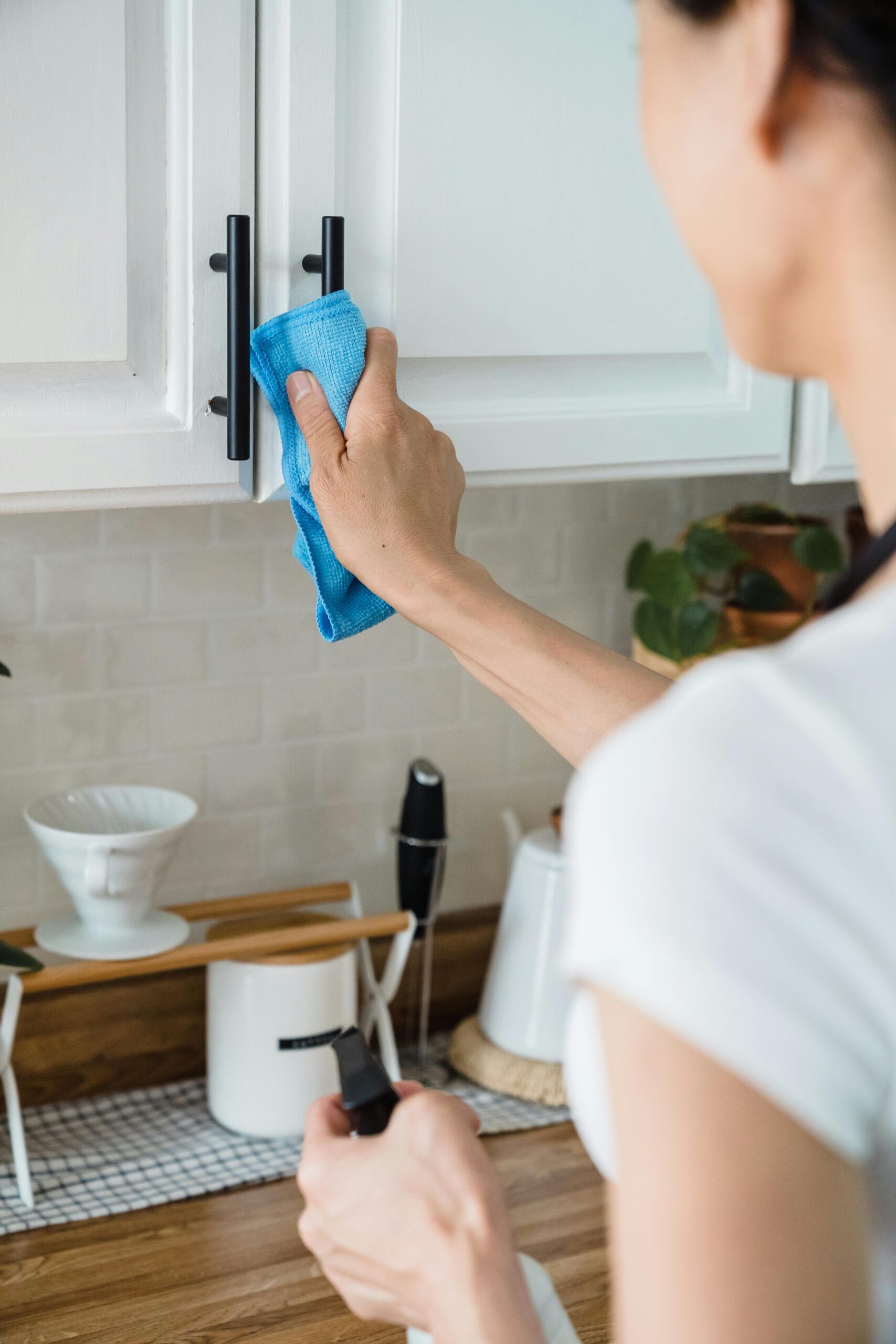
Your kitchen is the heart of the home. It’s where breakfast happens, midnight snacks are devoured, and ambitious cooking experiments unfold. But it’s also the place where crumbs multiply faster than rabbits, sticky spills attract uninvited guests, and bacteria quietly throw raves behind the refrigerator.
At Cleaner Homes in Eugene, we’ve seen it all—from “I cleaned last week, I swear” kitchens to “how did this happen?” disasters. Keeping your kitchen hygienic between visits isn’t just about appearances—it’s about safety, health, and sanity. Here’s a fun, fact-filled, tip-packed guide to keeping your kitchen fresh, sanitized, and chaos-free between professional cleaning sessions.
Why Kitchen Hygiene Matters
Kitchens are breeding grounds for germs. The USDA estimates that 1 in 6 Americans gets sick from foodborne illness each year, and many of these cases originate from contaminated kitchen surfaces. A study from NSF International found that:
- Kitchen sinks harbor more bacteria than toilets in 80% of homes.
- Countertops and cutting boards often have traces of Salmonella and E. coli.
- Dish sponges can carry 10 million bacteria per square inch.
With numbers like that, even a week without cleaning can turn your kitchen into a health hazard. But fear not—Cleaner Homes has tips and tricks to keep germs under control, even when life gets busy.
Daily Hygiene Tasks
Consistency beats marathon cleaning sessions. A few minutes a day can prevent bacteria, odors, and pest problems.
Counters and Surfaces
- Fact: A 2017 NSF study found that kitchen counters are one of the top three surfaces for cross-contamination.
- Tip: Wipe down surfaces after each use with a disinfectant or soap solution. Focus on areas where raw meat, eggs, or unwashed produce touch. Use paper towels or microfiber cloths that can be sanitized regularly.
Sinks and Faucets
- Fact: Sinks are often dirtier than toilets. NSF testing found that faucets, drains, and sink basins have up to 10x more bacteria than a typical bathroom toilet.
- Tip: Scrub sinks daily with a disinfectant. Run hot water down the drain and use a drain cleaner occasionally to prevent buildup and odors.
Floors
- Fact: Kitchen floors can harbor bacteria, crumbs, pet hair, and sticky residues. A study from Kansas State University found that floors in areas where food is prepared can have up to 50x more bacterial contamination than carpeted living areas.
- Tip: Sweep or vacuum daily, focusing on high-traffic areas. Mop weekly with a mild disinfectant to reduce germs.
Dishes
- Fact: Dirty dishes can double bacteria in a matter of hours if left at room temperature. Dishwashers running at 140°F or above kill most bacteria, but handwashing requires hot water and soap.
- Tip: Wash or load dishes immediately after use. For extra hygiene, use a dishwasher rinse cycle or sanitize by hand with hot water and bleach-safe soap.
Trash and Recycling
- Fact: Trash bins are a breeding ground for flies, mold, and bacteria. According to a Michigan State University study, garbage bins can carry over 1,000 species of bacteria.
- Tip: Empty trash and recycling daily. Line bins with a bag, wipe down weekly, and keep compost sealed.
Weekly Deep Cleaning
Daily habits help, but weekly maintenance prevents dirt, grime, and bacteria from building up into a bigger problem.
Appliances
- Fact: The average microwave contains 10,000 bacterial colonies per square inch, often hidden in corners or food splatter. Refrigerators can harbor Listeria if not cleaned regularly.
- Tip: Wipe down microwaves, ovens, stovetops, and refrigerator doors weekly. Remove trays and drawers, scrub with mild detergent, and disinfect handles and buttons.
High-Touch Areas
- Fact: Handles, knobs, and switches are touched hundreds of times a week. A CDC study found that high-touch surfaces harbor more bacteria than less-frequented areas.
- Tip: Disinfect cabinet handles, light switches, and appliance knobs weekly. Use an antibacterial wipe or spray-safe microfiber cloth.
Pantry and Cabinets
- Fact: NSF research shows pantries and cabinets often contain crumbs, mold spores, and tiny insects that are attracted to food residue.
- Tip: Check expiration dates, wipe down shelves with a mild disinfectant, and vacuum or sweep crumbs. Consider airtight containers for cereals, grains, and snacks.
Countertop and Surface Protection
- Fact: Wood countertops can harbor bacteria in microscopic cracks, while stone counters can trap grease. Polishing and sealing surfaces reduces microbial growth.
- Tip: Use a surface-safe polish weekly. Sealing stone countertops periodically and oiling wood surfaces helps keep surfaces sanitary and makes daily cleaning easier.
How Cleaner Homes Makes It Easy
While daily and weekly routines help, nothing beats professional cleaning. Our Eugene team tackles:
- Countertops and surfaces: We remove grease, grime, and bacteria that hide in corners.
- Appliances: Microwaves, ovens, stovetops, and refrigerators get a detailed scrub and disinfect.
- Sinks and drains: Scrubbed and sanitized to prevent odors and bacterial buildup.
- Cabinets, drawers, and floors: Vacuumed, mopped, and wiped to remove crumbs, dust, and pet hair.
Think of us as your kitchen’s personal germ-fighting squad—except we carry mops and microfiber cloths instead of lightsabers.
Extra Tips for a Safer Kitchen
- Cutting Boards: Use separate boards for raw meat, veggies, and ready-to-eat foods to prevent cross-contamination.
- Sponges and Dishcloths: Replace or sanitize often. Microwaving damp sponges for one minute kills 99% of bacteria.
- Ventilation: Open windows or use exhaust fans to reduce moisture and odors.
- Professional Visits: Regular cleaning from Cleaner Homes keeps your kitchen in peak hygiene between your DIY efforts.
The Bottom Line
A hygienic kitchen isn’t just about looking good—it’s about feeling good, cooking safely, and keeping your family healthy. With daily habits, weekly attention, and professional cleaning from Cleaner Homes in Eugene, your kitchen can stay fresh, sparkling, and germ-free between visits.
Even when life gets messy, spills happen, and crumbs appear out of nowhere, you can keep your kitchen sanitary, inviting, and ready for whatever culinary adventure comes next. With the right habits and the right cleaning team, germs don’t stand a chance.
Leave a Reply