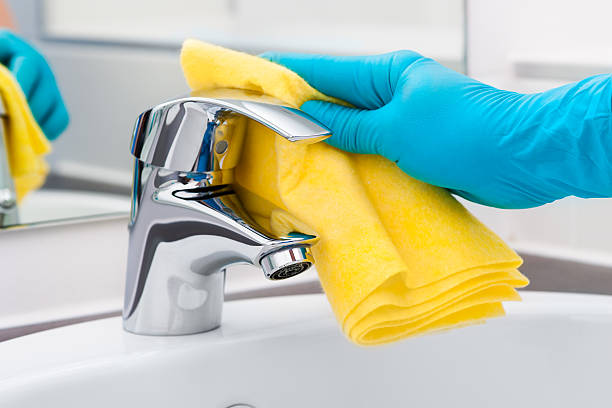
The Science of Sanitizing: What Actually Works
Sanitizing isn’t just a trendy word you see on cleaning product labels—it’s a science. With all the sprays, wipes, and gadgets on the market, it can be overwhelming to know what actually kills germs, protects your family, and keeps your home safe. At Cleaner Homes in Eugene, we take the guesswork out of sanitizing, combining evidence-based techniques, professional tools, and a little know-how to get your home truly clean.
Why Sanitizing Matters
Not all cleaning is created equal. Wiping a surface with a dry cloth might make it look tidy, but it doesn’t remove the invisible germs, bacteria, and viruses that accumulate on high-touch areas. According to the Centers for Disease Control and Prevention (CDC), frequently touched surfaces like doorknobs, light switches, and countertops are hotspots for bacteria such as E. coli and Staphylococcus aureus. In kitchens and bathrooms, improper cleaning can even allow mold, yeast, and foodborne pathogens to flourish.
Sanitizing goes beyond aesthetics. It reduces the microbial load on surfaces, making your home safer for children, pets, and anyone who spends time indoors. When done correctly, sanitizing can lower the risk of illnesses spreading through contact, giving peace of mind that your home isn’t just tidy—it’s hygienic.
The Science Behind Effective Sanitizing
Professional sanitizing isn’t about spraying and walking away. It’s a combination of chemistry, time, and technique:
- Contact Time: Many disinfectants require a specific time on the surface to kill germs. Wiping too quickly can leave bacteria alive. For example, chlorine-based cleaners may need 5–10 minutes to be fully effective.
- Proper Concentration: Diluting disinfectants too much can reduce their effectiveness, while using them straight from the bottle without reading instructions can be wasteful or unsafe. Professionals know the right ratios for each surface type.
- Targeted Application: Sanitizing is most effective when applied to high-touch areas—think faucet handles, light switches, keyboards, remote controls, and door handles. Low-touch areas might look dusty but don’t pose the same health risk.
Common Mistakes People Make
- Wiping with a damp cloth only: Removes some debris, but not enough germs.
- Over-relying on scented sprays: Fragrance doesn’t equal disinfecting power.
- Ignoring hidden spots: Germs hide in crevices, grout lines, and under appliances.
- Not following instructions: Most disinfectants require a wet surface for a set time to be effective.
Pro Tips for a Sanitized Home
- Use EPA-approved disinfectants that list viruses and bacteria they are effective against.
- Focus on high-touch surfaces first, including handles, switches, faucets, and electronics.
- Clean before you sanitize—dirt, grease, and dust can prevent disinfectants from working properly.
- Rotate attention to often-overlooked areas like cabinet knobs, fridge handles, and light pull chains.
- When in doubt, call a professional. Tools like HEPA vacuums, microfiber cloths, and specialized cleaning solutions make a measurable difference.
Sanitizing Beyond the Obvious
At Cleaner Homes, we understand that effective sanitizing isn’t just about the kitchen or bathroom. Bedrooms, living rooms, and even home offices benefit from targeted disinfecting. Electronics, remote controls, keyboards, and phones—items we touch hundreds of times a day—are major germ carriers. Using professional-grade cleaning techniques ensures these items are safe without causing damage.
The science of sanitizing proves that a clean home is more than just visually appealing—it’s healthier. Reducing bacteria, mold, and viruses helps prevent illnesses and creates a safer environment for everyone in your household.
By combining evidence-based practices, professional tools, and attention to detail, a deep clean with a focus on sanitizing transforms your home from “surface clean” to truly hygienic. For Eugene homeowners, investing in professional sanitizing services is not just about sparkle—it’s about health, safety, and peace of mind.